
Future Forward: Skills to Shape Tomorrow
- Mr. Rajesh Pillai
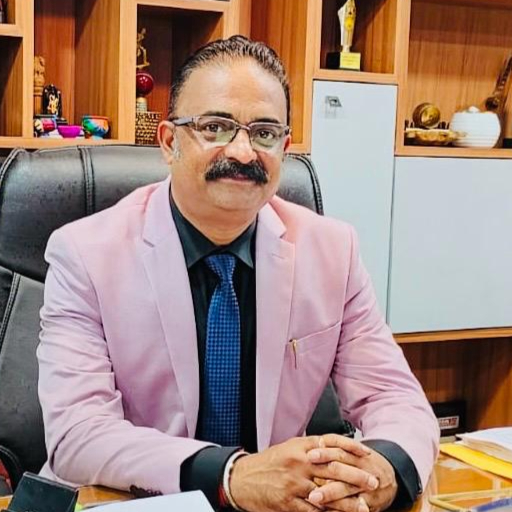
- Dec 1, 2025
- 4 min read
As educators, we believe that the most urgent future skill to embed in teaching is critical thinking so that students can approach complex, ambiguous problems with clarity and communication. This will enable clear and persuasive expression, collaboration and learning effectively as part of diverse teams. Critical thinking fosters adaptability and lifelong learning to remain flexible, resilient and self-motivated in a fast-changing world, and ethical & social responsibility to grow into compassionate, informed citizens who care for community and environment.
These life skills go far beyond exams, they prepare students to solve real problems and grow into thoughtful, capable human beings.
Research supports this shift as well. The World Economic Forum (2023) highlights creativity, analytical thinking, and lifelong learning as top future skills, while the OECD and UNESCO stress the importance of empathy, curiosity, and global responsibility.
In every classroom, we have the chance to nurture these — to make learning feel alive, relevant, and human.
Teaching for a Future We Can’t Fully See
One of the biggest challenges for schools today is finding the right balance between preparing students for the jobs that exist now and the ones that don’t even exist yet.
On one hand, schools need to keep building strong foundations: solid academic knowledge and the technical skills that connect to today’s industries. But that’s only half the story. We also need to help students develop problem-solving skills, transversal skills, adaptability, creativity and collaboration that lets them pivot, grow, and find their place in future career options.
Interdisciplinary Learning
Encouraging interdisciplinary learning is another key step. When students combine ideas from science, art, technology, and the humanities, they become more flexible thinkers who can connect dots across disciplines. Partnerships with industry, internships, and hands-on experiences make learning real — showing students how knowledge is used in the world and where future opportunities might lie.
Most importantly, schools must nurture a mind-set of lifelong learning. The ability to stay curious, learn continuously, and embrace change will be what truly sets future-ready learners apart.
According to The World Economic Forum’s Future of Jobs Report (2023) analytical thinking, creativity, and lifelong learning are valuable skills for future jobs. The OECD’s Learning 2030 Framework echoes this, urging education systems to focus on building competencies that prepare students for an unpredictable future, not just for exams.
The future belongs to Creators, Thinkers, and Problem-Solvers.
As educators, we need to help students build skills for jobs that exist today and will be created tomorrow.
Creativity, adaptability and problem-solving must be woven alongside technical skills in the curriculum.
Creativity opens pathways to innovation, encouraging students to explore new ideas and view problems from fresh perspectives.
Adaptability equips them to respond gracefully to changing technologies, industries and societal needs.
Problem-solving helps them apply both technical knowledge and creative thinking to real-world challenges, making learning meaningful and relevant.
Essential Partnerships
Partnerships with industry bring real-world relevance into classrooms. When schools collaborate with organisations, students gain exposure to current tools, practices, and work cultures. Internships, live projects, and mentorships strengthen technical and soft skills, bridging the gap between theory and practice. These partnerships prepare students for evolving careers and nurture lifelong learning.
Research shows that 75% of students understand better when lessons are linked to real-world contexts and 80% of teachers see greater motivation when industry mentors get involved.
Shaping Citizens, Not Workers
Education must go beyond job training. While students need technical skills and industry exposure, they also need critical thinking, ethics, creativity, and civic awareness. A balanced curriculum helps them ask why, not just how, shaping responsible, thoughtful individuals who don’t just execute tasks but question, imagine, and meaningfully contribute. When we balance real-world exposure, internships, live projects, industry links with liberal learning, ethics, and reflection, we shape individuals who can think, question, and innovate.
The OECD’s Future of Education report reminds us that the world needs not just skilled professionals, but responsible, adaptable, and compassionate citizens.
Life Skills
Emotional intelligence is paramount to understand and manage one’s own and others’ feelings, along with time‑management & ownership of tasks. These skills support career readiness, personal growth and workplace success outside mere technical knowledge. Schools must elevate these life‑skills alongside academics so that students mature into confident, capable professionals and citizens.
Guiding Beyond Classrooms
Today’s careers aren’t straight lines, they twist, turn, and evolve. In this scenario, teachers do more than just deliver lessons; they mentor, inspire, and help students discover what truly makes them shine.
When teachers notice what excites students, give them room to explore, and encourage learning by doing, they help build curiosity and confidence; skills far more powerful than memorizing facts.
The World Economic Forum states that nearly 60% of the workforce will need reskilling by 2030 due to automation and technological changes.
Learning for Life
Schools should make learning more hands-on and skill-based. The world is changing at rapid speed, and success today depends not just on what we know, but on how we think, create, and adapt.
Imagine classrooms where students learn by exploring real projects, collaborating, and solving real-world problems. That’s when learning feels meaningful, not just test-driven.
Teachers play a vital role in this shift. The best ones don’t just teach; they see their students' interests, talents, and potential and give them the confidence to explore without fear of failure.


Very thoughtful sir.
Well written
Very well written! I really enjoyed reading this article.
So innovative and thoughtful