
The Purrfect Listeners
“A child is a beautiful creation of God.” To provide a successful life with values to a child, knowledge is a great tool. A supportive education environment that prioritises emotional safety and active engagement leads to academic success and resilience. Being non-judgemental is the key to positive learning.
Children learn best in low-stakes, supportive environments that boost confidence, reduce anxiety, and encourage emotional connection—such as reading to non-judgemental animals. This therapeutic approach fosters fluency, social communication, and empathy, creating a nurturing atmosphere that aids learning. Removing emotional barriers to learning helps in nurturing reading skills.
"The presence of a non-judgmental listener, whether human or animal, significantly increases a child’s willingness to participate by creating a secure environment that reduces anxiety, boosts self-confidence, and removes the fear of criticism."
The Guernsey Effect
Students from a high school in Guernsey, in March 2026, visited an animal shelter to rescue cats as part of their socialisation and literacy program. The goal of this activity was to provide children with a non-judgemental space to practice reading, while the cats could accustom themselves to human company.
Children often feel more comfortable reading to animals because pets provide a non-judgemental, attentive, and calming audience that does not criticise mistakes, mispronunciations, or slow pacing. This unconditional presence lowers anxiety, boosts confidence, and turns reading into a positive, low-stakes activity.
Animals provide a comforting, loving presence that helps reduce stress and anxiety, making them ideal supportive listeners. They offer affection and attention regardless of a child’s reading ability, fostering a secure emotional environment. Without fear of judgment, children often read aloud more confidently, improving motivation and reading skills.
Why Does Listening Matter?
The presence of a non-judgemental listener—whether human or animal—significantly increases a child’s willingness to participate by creating a secure environment that reduces anxiety, boosts self-confidence, and removes the fear of criticism. Such listeners act as “social catalysts,” encouraging communication, emotional expression, and engagement in tasks they might otherwise avoid.
To enhance reading skills among students, there is a shift from conventional reading to alternative methods. While traditional practices follow balanced literacy approaches, reading itself is not a natural process like speaking—it is a skill that must be systematically developed.
Designing the Learning Space
As educators, we can recreate a sense of calm and acceptance by intentionally designing the physical space, establishing predictable routines, and modelling emotional regulation. Rather than simply managing behaviour, these strategies shift the focus toward building a safe and inclusive community where students feel seen and supported.
Calm corners, chill-out zones, or peace areas with comfortable seating can significantly support positive reading experiences. Instead of saying “You read,” we can say “We will read together,” which enhances emotional safety—a biological prerequisite for developing foundational skills like reading. When children feel secure, their brains are better prepared to process new information.
Exploring Low-Pressure Learning
Exploring alternative, low-pressure environments for skill-building can significantly enhance student engagement, creativity, and long-term success. Such environments reduce stress and anxiety, increase confidence, and foster important skills like collaboration, self-advocacy, and emotional regulation—helping children grow into more capable learners.
ME, WE & YOU
As educators, we need to design unique education models that facilitate active and project-based learning. The “Me, We & You” model and student-centred pedagogy can create positive, unbiased, safe, and joyful learning outcomes.
Let us strive to mould children into well-rounded individuals—with strong values, roots in culture, and wings for the future. Let us listen to what a child says and feels, and provide a safe, positive learning environment—because that is the true essence of education.


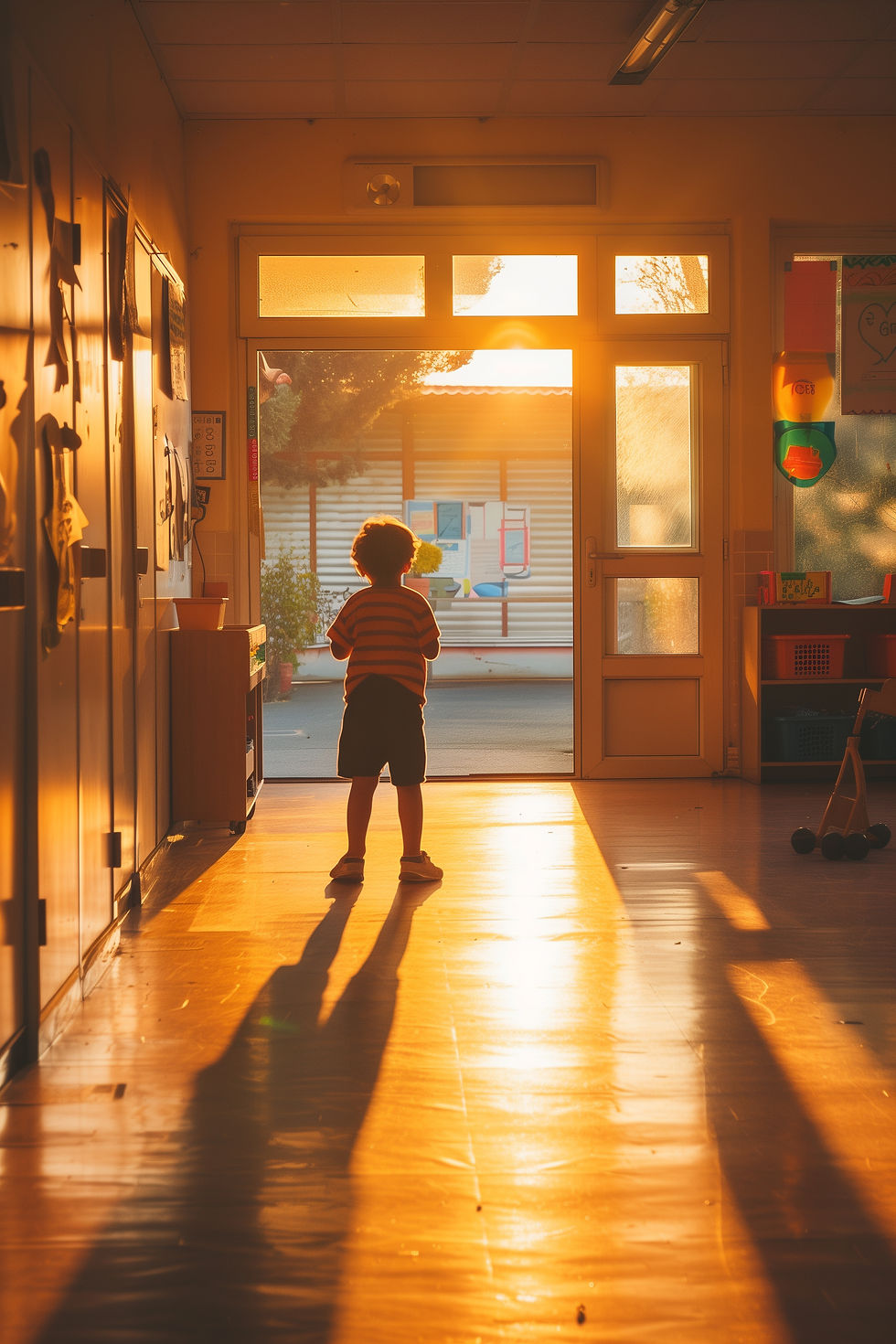
The Guernsey Effect is a beautifully explains how Animals as listeners removes the anxiety that traditional schooling induces -- worries of speed, correctness, comparison and performance pressure. Yes, the article connects learning psychology with emotional safety and alternative literacy practices very well.